


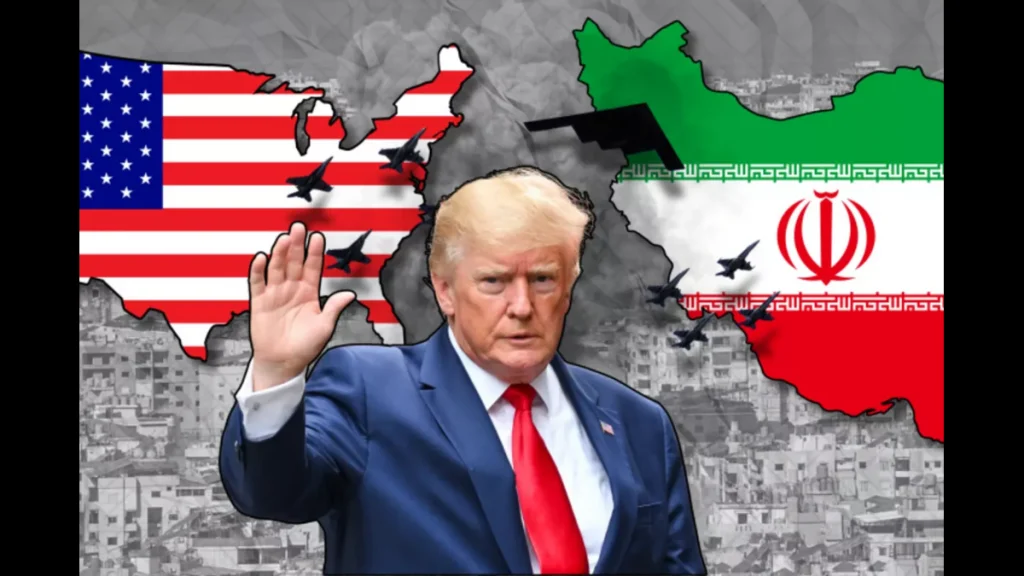
The world’s big news today is the rapidly escalating Middle East crisis, with a fragile US‑Iran ceasefire now under intense strain from continued Israeli strikes in Lebanon and sharply worded warnings from Tehran. Major global outlets are leading with this development, making it the dominant international article in real‑time news feeds and search‑trending lists.
According to International media sources, Israel’s latest wave of attacks in southern Lebanon has killed at least 182 people and forced thousands to flee, reigniting fears of a wider regional war. The strikes are being widely seen as undermining the tentative two‑week ceasefire agreed between the United States and Iran, even as Washington positions itself as the key broker of a diplomatic pause. The International media notes that the violence is heightening tension not only between Israel and Iran but also between Iran and Hezbollah, whose strong presence in Lebanon has turned the area into a flashpoint.
International media reporting adds that Washington’s role in the crisis is now under greater scrutiny. It highlights remarks by Donald Trump suggesting that US forces will remain positioned near Iran and could be deployed for further action, reinforcing the sense that the ceasefire is being treated as a temporary truce rather than a lasting peace. Analysts quoted by IM warn that constant threats and military posturing from both sides may make it harder to secure a genuine, long‑term ceasefire, especially if Israeli strikes inside Lebanon and Hezbollah‑linked areas continue.

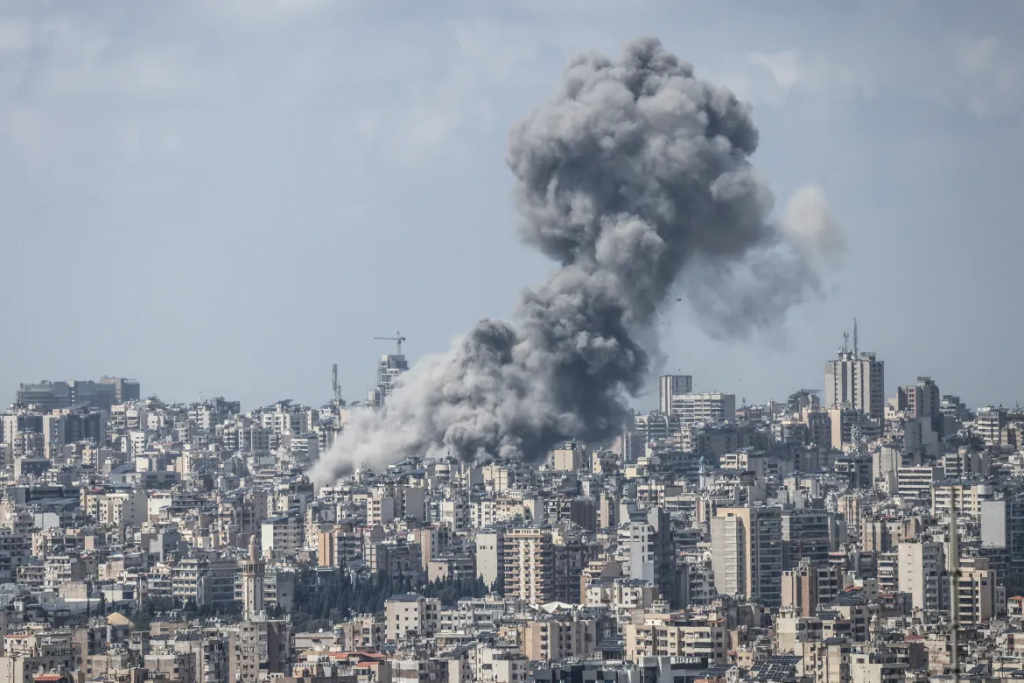
What has pushed this story to the top of global trending lists is not just the immediate casualties and destruction, but the broader risk of regional spillover. The potential for the Iran‑Israel‑US triangle to draw in Gulf states, Syria, and even Iraq creates a scenario that directly affects global oil shipments, financial markets, and security alliances. Energy markets, already sensitive to Middle East developments, could see fresh volatility if the ceasefire deteriorates further, while diplomatic channels are under pressure to respond quickly.

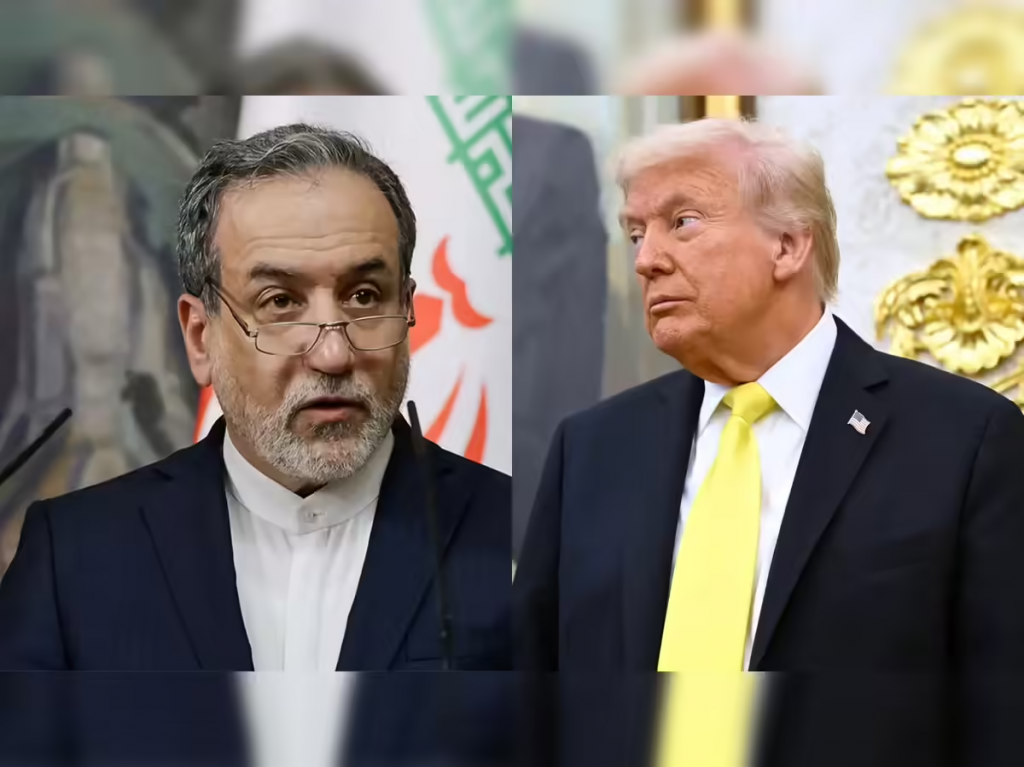
In addition to the security and economic dimensions, the crisis is reigniting debates over the role of external powers in the region. The United States insists its involvement is aimed at de‑escalation, but critics argue that the presence of US forces near Iran sends a contradictory message, especially when coupled with strong rhetoric from Washington’s leadership. At the same time, Iran maintains that it will respond to any major escalation, a stance that keeps the situation on the edge of unpredictability.