


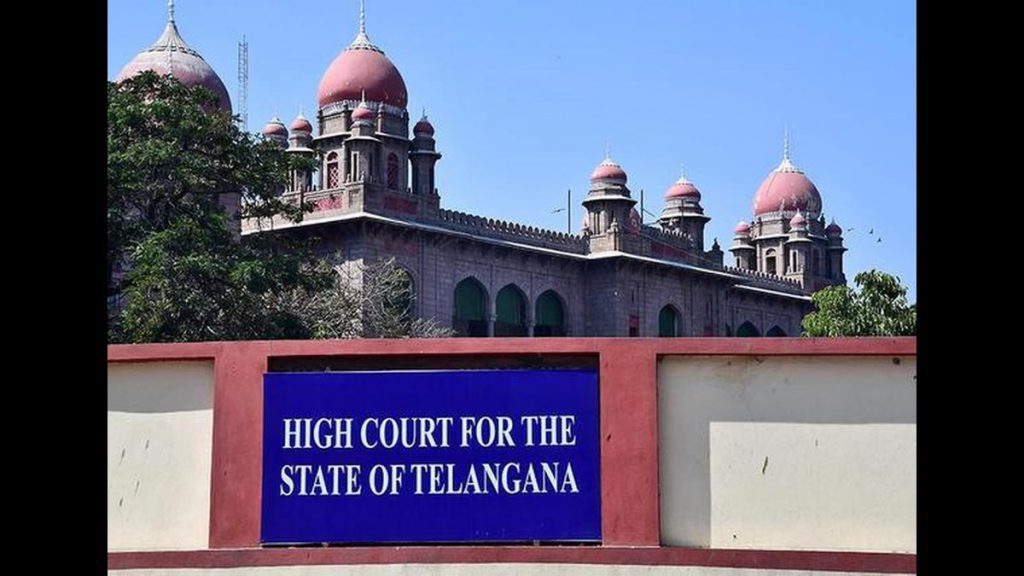
In a significant development, the Telangana High Court has dismissed a petition challenging the appointment of Director General of Police (DGP) B. Shivadhar Reddy. The ruling provides temporary relief to the state government while emphasizing the need to complete the Union Public Service Commission (UPSC) process within a strict timeline.
The Telangana High Court has provided a major reprieve to Director General of Police B. Shivadhar Reddy by dismissing a petition that challenged his appointment. The ruling ensures that he will continue in office while the government has been directed to complete the Union Public Service Commission (UPSC) process within four weeks.
The case arose after the retirement of former DGP Jitender on September 26, 2025. In response, the state government appointed 1994 batch IPS officer B. Shivadhar Reddy as DGP (Coordination) and entrusted him with the additional responsibility of Head of Police Force. Soon after, social activist T. Dhangopal Rao filed a petition in October 2025, arguing that the appointment violated the Supreme Court’s landmark Prakash Singh vs Union of India judgment of 2018, which laid down strict guidelines for police leadership appointments. The petitioner claimed that the apex court does not permit “acting” or “additional charge” arrangements for the post of DGP.

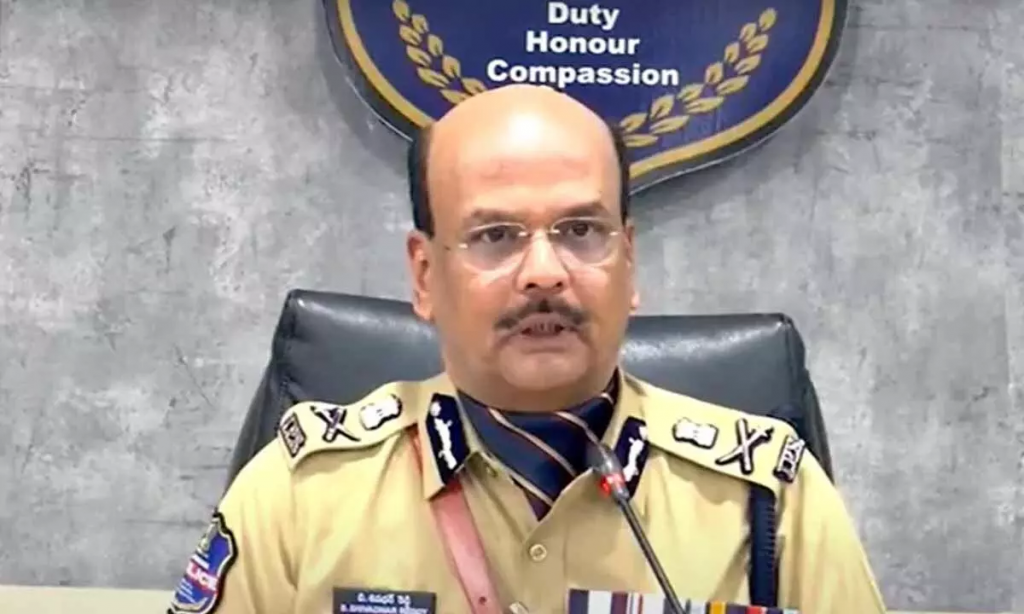
On January 9, 2026, Justice Pulla Karthik delivered the verdict. The High Court dismissed the petition and rejected the interim application that sought suspension of the appointment orders. While allowing Shivadhar Reddy to continue as DGP, the court emphasized that the government must complete the UPSC process within four weeks and file a counter affidavit once the Commission responds. The matter has been adjourned to February 5, 2026 for further hearing.
This ruling provides temporary relief to the government, ensuring continuity in police leadership at a crucial time. However, it also underscores the importance of adhering to the Supreme Court’s directives, which demand a transparent and full-fledged process for appointing the state’s top police officer. The High Court’s decision strikes a balance between administrative stability and judicial oversight, reminding the government that procedural compliance is not optional but essential.
In essence, B. Shivadhar Reddy remains at the helm of the Telangana Police, but the government now carries the responsibility of completing the UPSC process promptly to ensure that the appointment stands on firm legal ground.