



In 2026, life in India is increasingly lived through screens. From metro offices to small‑town colleges, from busy WhatsApp family groups to reels‑driven breaks, we are all connected — but also more tired, anxious, and distracted than ever before.
This is not just a health issue; it is a Digital Burnout crisis quietly affecting professionals, students, homemakers, and even young children across the country.
In 2026, life in India is increasingly lived through screens. From metro offices to small‑town colleges, from busy WhatsApp family groups to reels‑driven breaks, we are all connected — but also more tired, anxious, and distracted than ever before.
This is not just a health issue; it is a digital burnout crisis quietly affecting professionals, students, homemakers, and even young children across the country.
On Chaithanyagalam News, this article is not a scientific lecture — it is a practical advice guide. These 7 rules are designed to help you stay online, stay informed, and still protect your mind, sleep, and family life in 2026.
What is digital burnout ?
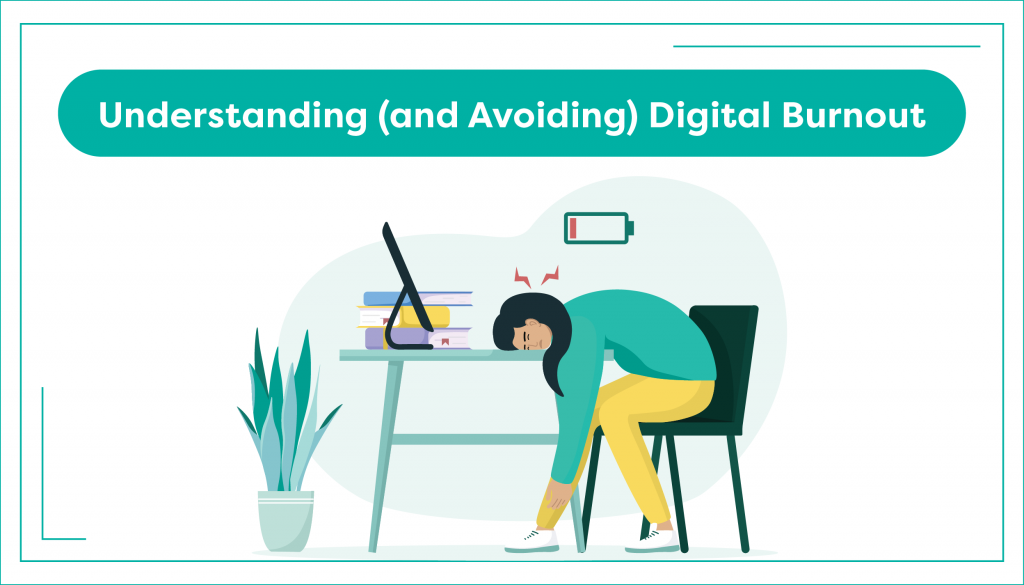
Digital burnout is when you’re always online but never really present. It usually looks like:
- Feeling “on” 24/7 yet strangely empty at the end of the day.
- Getting irritated easily because your brain is overloaded with notifications and news.
- Late‑night scrolling followed by poor sleep and low energy the next morning.
In India, experts now describe this as a silent digital‑stress crisis, especially in fast‑urbanising states where smartphone usage and social‑media news sharing are rising sharply.

Rule 1: The “phone‑free hours” rule
Choose two fixed hours every day when your phone is completely away from you.
For most Indian families, this works best:
- Between 7 pm and 9 pm (dinner, family talk, relaxation).
- At least one hour before sleep (no phone on the bed, no last‑minute scrolling).


Why this works:
Your brain needs “offline breaths.” When you give it even 90 minutes without screens, your sleep improves, family conversations deepen, and arguments over WhatsApp forwards reduce.
Advice for Chaithanyagalam readers:
- Put the phone on Airplane mode or Silent and keep it in another room.
- Replace scrolling with a short walk, reading a newspaper, or talking with family without devices.
*
Rule 2: The “one‑platform diet” rule
Most people are on 4–5 platforms at once — WhatsApp, Instagram, Facebook, YouTube, Telegram — and use all of them for news, politics, and gossip. This is a direct recipe for mental fatigue.
Try this instead:
- Use only one platform for serious updates (e.g., WhatsApp for work, family, and national or local news).
- Use only one platform for entertainment (e.g., YouTube or Instagram, but not both for the same purpose).
Why this works:
By limiting your “digital diet,” you cut the noise, confusion, and emotional reactions that come from too many voices and too many political forwards.
Rule 3: The “notification triage” rule
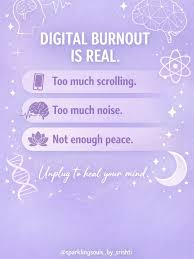
Notifications are like tiny alarms that keep your stress hormones slightly elevated all day.
Your advice mission:
- Turn off all non‑essential notifications (ads, random posts, “breaking news” alerts).
- Keep only: calls, SMS, key work apps, and one or two family groups.

How to do it (simple for Indian readers):
1) Go to Settings → Notifications.
2) Switch off everything except phone, SMS, and needed apps.
3) Repeat this once every month, because apps keep re‑enabling notifications.
When your phone only “pings” for real priorities, you feel calmer and more focused.
Rule 4: The “screen‑budget” rule
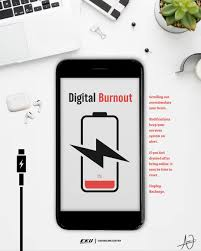
Like a monthly salary, treat your screen time as a limited budget, not an unlimited resource.

Try this structure:
- Maximum 2 hours for entertainment (reels, YouTube, web series).
- Maximum 1 hour for news and politics.
- Rest of the time for offline work, reading, and family.
Use your phone’s Screen Time or Digital Wellbeing feature to track and limit this.
Benefit:
You still stay connected, but you choose how much time you give to reels, WhatsApp forwards, and political debates instead of letting them suck up your day.
Rule 5: The “offline anchor” rule
Experts in digital‑wellness stress that every day should have at least one strong offline anchor — an activity that cannot be done with a phone in your hand.
Examples:
- A 15–30 minute walk without headphones.
- Reading a physical newspaper or book instead of only scrolling.
- Doing household chores or office work without glancing at your phone.
This “anchor” pulls your brain back to the real world and reduces the automatic urge to check the phone.
Rule 6: The “news‑only‑twice” rule
In 2026, news travels faster than ever — but so does anxiety.
Advice for Chaithanyagalam readers:
- Check news only two times a day —
- Once in the morning (for planning your day).
- Once in the evening (for updates on national politics, local incidents, exams, and jobs).
- Avoid non‑stop scrolling between these times.
Why this helps:
Frequent news checks condition your brain to expect shocks and drama. Limiting your news intake reduces anxiety and helps you think more clearly about politics, exams, and work issues.
Rule 7: The “AI‑assistant, not slave” rule
AI tools (search engines, AI assistants, chatbots) are powerful in 2026 — but they should help you, not replace your thinking.
Follow this balanced advice:
- Use AI to:
- Double‑check facts for news or exam‑prep.
- Draft messages, notes, or social‑media posts.
- Prepare for interviews or competitive exams.
- Do not let AI decide:
- Your political opinions or voting choices.
- Your emotional reactions to family or social‑media conflicts.
- Your relationships through only digital profiles and messages.
When you stay in control of your mind, AI becomes a tool instead of a mental trap.
The India‑specific reality
Across India, the rise of smartphones, WhatsApp, and social‑media‑driven news has changed life dramatically in just a few years.
But many young people and professionals now feel:
- Tired all the time.
- Distracted from studies and work.
- Stressed by constant political arguments, fake news, and viral forwards.
These 7 rules are not against technology — they are pro‑smartphone, pro‑social media, but pro‑you. They help you use digital tools without losing your health, peace, and family relationships.
*
Your final personal challenge
Don’t try to change everything at once. That is how most people fail.
Advice for readers of Chaithanyagalam News:
- Choose only TWO rules from this list that feel most urgent to you.
- Apply them strictly for one week.
- Then add one more rule in the second week.
At the end of a month, most people report better sleep, less anger, and clearer focus — and yes, they still stay connected to the world.